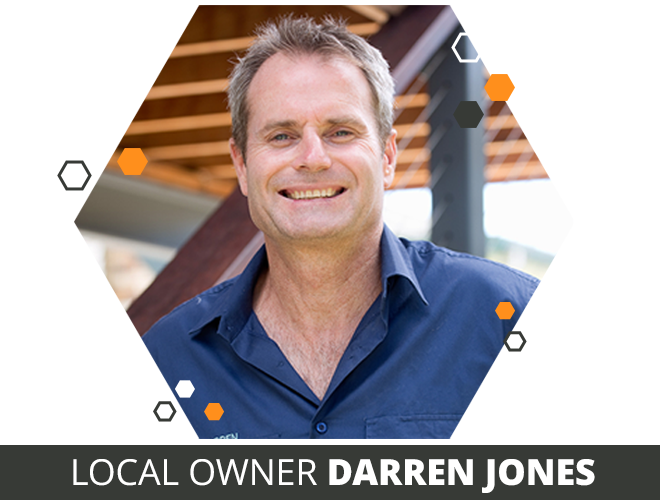
After years of building homes in Brisbane, I've seen the same patterns repeat themselves. Clients come in with a vision, a budget, and sometimes a list of features they've seen on Instagram or in a display home. And there's one area in particular where I see money disappear without adding meaningful value — the facade.
The Facade Trap
There's a reason display homes look the way they do. They're designed to impress at first glance, and one of the most effective ways to do that is with an elaborate facade — dramatic parapets, layered cladding, oversized feature elements, and all the visual complexity that says "premium" to someone walking past.
The problem is that all of that costs serious money to build, and very little of it improves the way you live in the house.
A well-designed hip and gable roof is structurally sound, weather-resistant, and considerably cheaper to build than a flat parapet. Parapets require careful waterproofing details, ongoing maintenance, and are one of the more common sources of water ingress issues down the track. Yet time and again, clients push for them because they look impressive on the plan.
I'm not saying don't have a good-looking home. Kerb appeal matters, and first impressions count — especially if you're building an investment property you intend to sell. But there's a real difference between spending money on a facade that genuinely adds value, and spending money on complexity that looks good in a render and causes headaches in the real world.
The Ego Factor
Building a home is a deeply personal process, and that's a good thing. You should be proud of what you build. But sometimes the decisions that feel the most satisfying in the moment — the ones driven by what a house looks like from the street rather than how it functions over time — are the ones that quietly drain a budget without returning value.
The questions worth asking before committing to any high-cost aesthetic choice are simple: Will this make my home easier to sell? Will it add to its long-term value? Will it improve the way I live in it? If the honest answer to all three is no, it might be worth reconsidering.
A Better Use of Your Budget
Every dollar you redirect away from unnecessary facade complexity is a dollar that can go toward things that genuinely matter — structural quality, better waterproofing, higher-specification wet areas, or simply keeping the project within budget so it gets finished properly.
The homes that hold their value and stand up well over time aren't always the flashiest ones from the street. They're the ones that were built with good bones, smart decisions, and money spent where it counts.
That's the conversation I try to have with clients early — before the render is finalised and the budget is already committed.